How Long Do Dental Implants Last?
The implant fixture itself typically lasts 15 to 20 years or more, and in many patients, it can last a lifetime. The crown fitted on top typically needs replacing after 10 to 15 years, which is normal wear rather than failure. These are typical reported ranges rather than guarantees: how long dental implants last in practice varies with gum health, bite force, and general health.
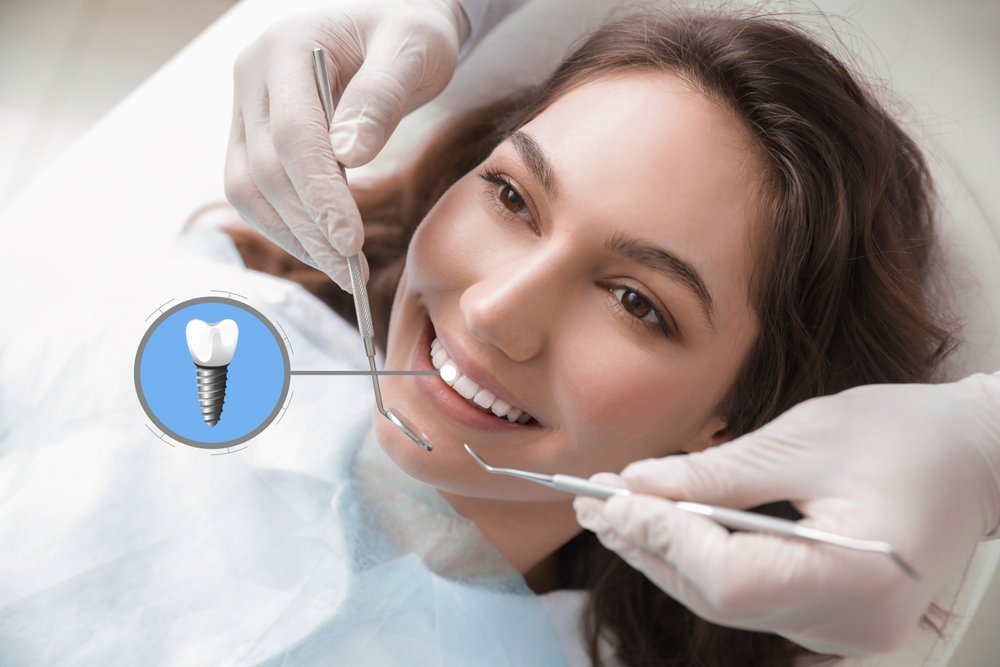
It helps to know that dental implants are made of 3 separate parts: a titanium fixture placed in the jawbone, an abutment that connects it to the restoration, and the crown you actually bite with. Each part has a different lifespan, which is why one single number never tells the whole story.
The second half of this article covers the part you control, because once an implant is placed, most of its future depends on how it is cleaned and monitored.
Dental Implants Last Many Years, but Not Forever
A claim that an implant is certain to last a lifetime goes further than the published evidence supports. Titanium fuses directly with bone through osseointegration and cannot decay, so the fixture itself has no built-in expiry date. Problems usually involve the gum and bone surrounding it, or the restoration sitting on top of it, rather than the metal itself.
The word “permanent” in implant marketing means fixed in place, not everlasting. A fixed implant-supported tooth is not removable in the way a denture is, and that is the sense in which the term is used. It is not a promise that the tooth will outlive you without maintenance. NHS patient information from Guy’s and St Thomas’ describes implants as long-lasting if you care for them properly, and the British Dental Health Foundation says regular maintenance appointments have the biggest impact on how long they last.
Quick tip: Rather than asking how long implants last on average, ask your clinician what is realistic for your specific bone volume, gum condition, and bite. That answer is far more useful than a population average. |
Factors Affecting Dental Implants’ Longevity
6 factors do most of the work in deciding how long dental implants last in any individual’s mouth.
Gum health before placement
Untreated gum disease is among the strongest predictors of later problems. The bacteria that cause periodontitis around natural teeth behave the same way around an implant, so stabilising the gums first matters more than almost anything else that follows.
Smoking
Smoking reduces blood supply to healing bone and is consistently associated with higher failure rates in the implant literature. The risk is highest during the osseointegration period in the first few months, but it does not disappear afterwards.
Grinding and clenching
Bruxism loads the fixture with forces it was never planned for, and it can chip the porcelain, loosen the abutment screw, or fracture the crown. A night guard is the simplest protection available, and it also protects the natural teeth on either side.
Diabetes and other systemic conditions
Poorly controlled blood glucose slows soft-tissue healing and increases the risk of infection. Well-managed diabetes is not a barrier to treatment, but it does change how closely we monitor the site.
Position in the mouth
A molar absorbs far greater occlusal load than an incisor, so posterior implants and their crowns tend to show wear sooner. A front-tooth implant placed in good bone and a lower molar implant in a heavy bite should not be given the same lifespan expectation.
Planning and placement
Bone volume assessment, 3D imaging, and correct angulation all affect how evenly force is distributed through the fixture once it is in function. An implant placed into adequate bone at the right angle has a mechanical advantage that no amount of later maintenance can recreate.
Understanding Peri-Implantitis
Peri-implantitis is inflammation of the gum with progressive bone loss around an implant. It is the implant equivalent of gum disease, and it is the leading cause of late implant failure. It is also largely preventable through good daily cleaning and regular professional monitoring.
The condition has 2 stages, and the difference matters. Peri-implant mucositis affects only the soft tissue, causing redness and bleeding without bone loss, and is reversible with cleaning and improved home care. Peri-implantitis means the inflammation has reached the bone supporting the fixture, and that bone does not regrow on its own. Treatment at that stage aims to arrest the loss rather than reverse it, which is why detecting mucositis at an early stage is so valuable. The European Federation of Periodontology’s clinical guideline on peri-implant diseases sets out definitions, prevention, and treatment for both.
Signs worth acting on quickly include bleeding when you brush around the implant, a red or swollen gum margin, discomfort or tenderness on pressure, any discharge, and any sense of movement in the crown or the implant itself. Our in-house periodontal care covers assessment, deep cleaning around the implant surface, and ongoing monitoring of bone levels.
Frequency of Implant Failures
Published clinical research widely reports implant survival of around 95% over 10 years. That is a figure drawn from the research record rather than a prediction for any individual, and survival studies vary in how they define success.
Failures fall into 2 groups. Early failure occurs within the first weeks to months, when the fixture does not integrate with the bone, and is often linked to infection, smoking, or insufficient bone volume at the site. Late failure happens years after placement and is usually peri-implantitis that has progressed unchecked.
Most problems are identified during routine review long before an implant is lost. Bone levels are tracked on radiographs, probing depths are recorded, and changes over time are visible to a clinician well before they are obvious to the patient. That is the practical argument for keeping recall appointments after implant treatment is finished.
How to Look After Dental Implants
Cleaning an implant is not harder than cleaning a natural tooth, but it is slightly different. The aim is to keep the gum margin where the crown meets the tissue free of plaque, because that junction is where peri-implant disease starts.
- Brush twice daily with a soft brush, angling the bristles into the gum margin around the implant rather than scrubbing across the crown.
- Use interdental brushes rather than floss around implants. Floss can shred on the fixture surface and leave fibres in the peri-implant sulcus, where they drive inflammation.
- Keep regular hygiene appointments so the implant surface is cleaned with instruments that are safe for titanium.
- Wear a night guard if you grind or clench, to protect both the crown and the fixture beneath it.
- Do not skip check-ups because the tooth is artificial. The bone holding it is not.
- Report bleeding, soreness, or any movement at the time you notice it rather than waiting for the annual review.
Recall intervals should be set individually. NICE guidance supports tailoring review frequency to risk rather than defaulting everyone to 6 months, and patients with implants and a history of gum disease usually sit at the shorter end.
When the Crown Needs Replacing
Implant crowns typically need replacing after 10 to 15 years due to gradual wear, chipping, or a change in the gum line that leaves the margin visible. Replacing the crown is routine and far less involved than replacing the fixture, and it is usually done without surgery because the abutment and fixture remain in place.
A crown reaching the end of its service life does not mean the implant has failed. The fixture underneath is often perfectly stable and well integrated. The useful mental shift is to treat crown replacement as a planned future cost rather than an unwelcome surprise at year 12.
Implant Care at Our Mayfair Clinic
We provide hygiene appointments from £146, listed in full on our prices page, and we carry out periodontal assessment and treatment in-house, so implant monitoring, cleaning, and gum treatment all happen in the same practice rather than across referrals. Our preventive approach, shaped by our Swiss Curaden partnership, is built around keeping implants and natural teeth healthy over decades rather than treating problems once bone has already been lost.
Have your implant checked at our Mayfair clinic before a small problem becomes bone loss. If you are weighing up how long dental implants last before committing, or you have noticed bleeding or soreness around an existing one, call us or book a consultation at 73 New Bond Street, Mayfair.